
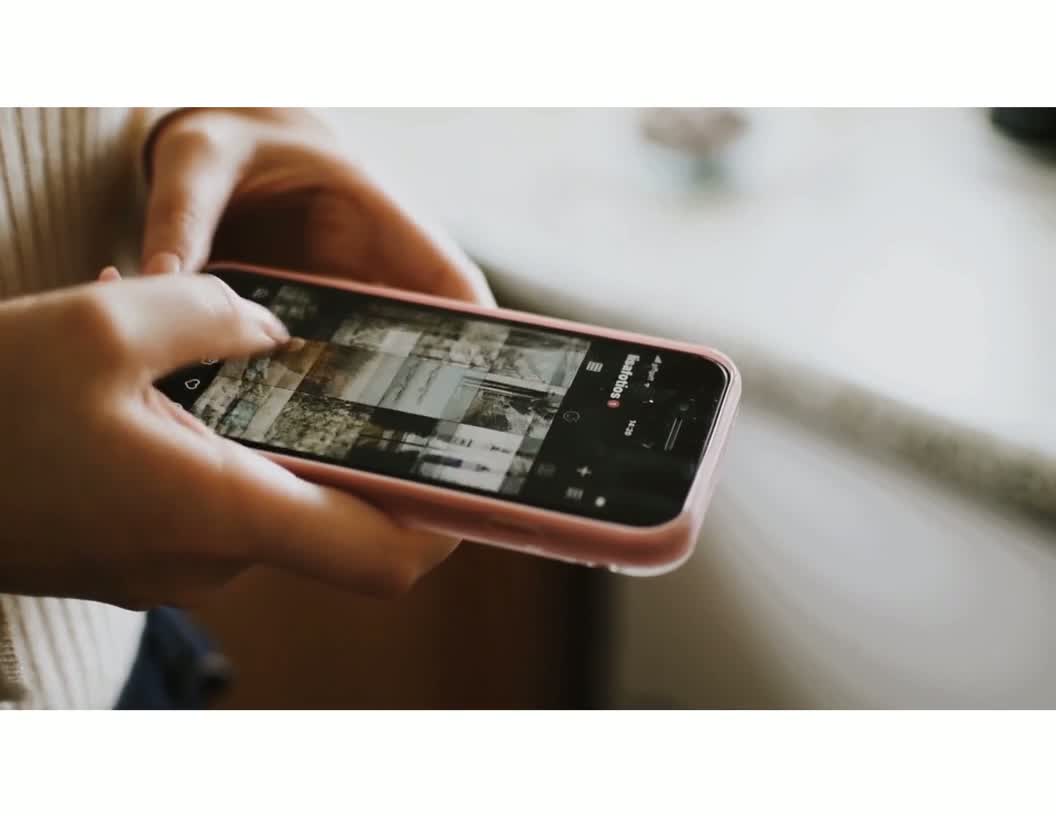
Technologychanged.Human needsdidn't.
Psychology, research + practical tools for protecting your attention, strengthening connection and living more intentionally with technology.
Not anti-technology. Not a detox. Just making sure the things that make us human — attention, connection, identity, presence, rest — still get room.
Six ways of looking at one question.
How do we use modern technology without losing the things that make life human?

Attention
Attention is the raw material of experience — and the most contested resource of the century.
Explore →
Connection
We have never been more reachable. Reachability and closeness are not the same thing.
Explore →
Identity
Self-image used to form in small rooms. Now it forms in front of an audience that never leaves.
Explore →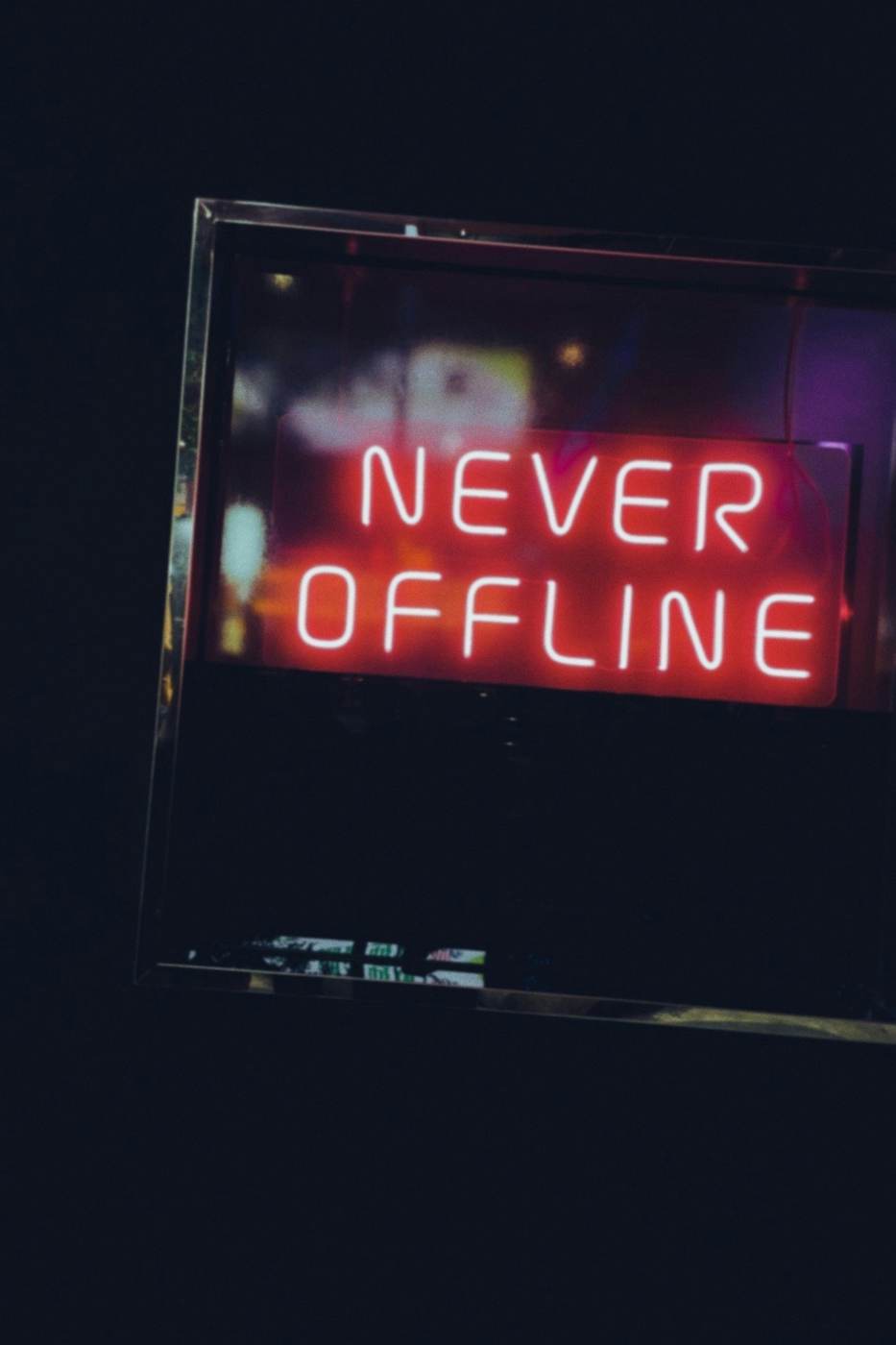
Digital Life
The devices aren't the problem. The default settings might be.
Explore →
Presence
Every gap in the day now has something waiting to fill it. Gaps were doing something.
Explore →
Real Life♥
The point isn't less technology. It's more life.
Explore real life →Start where you are.
A few thoughtful questions about what's taking up space — then a personal plan with one thing worth trying, and the tools, reads and experiments that fit it.
For Child/Teen/Adult
Clarity is returning.Let's protect it.
The work isn't more discipline. It's fewer open loops before 9am.
Getting pulled
Steady
Strong
The scroll shows up in the seams — waking, waiting, between tasks.
Protect the first twenty minutes of the day.
One commute without headphones. Notice what returns.
One long walk with no destination and no podcast.

Tool
The Attention Audit
Open tool →A few minutes. No score, no diagnosis. Want the bigger picture? The Modern Human Assessment
Let somethingbe boring.
Don't optimize one boring task today. Fold the laundry without entertainment. Wait without scrolling. Let boring be boring.
Nothing to listen to.
Something to notice.
Why try it?
Boredom has been treated as a problem to solve for about fifteen years now. It's worth finding out what it does when it's left alone.
No streaks. No optimization.
Just something to notice. ♥
Psychology, technology + the strange experience of being human right now
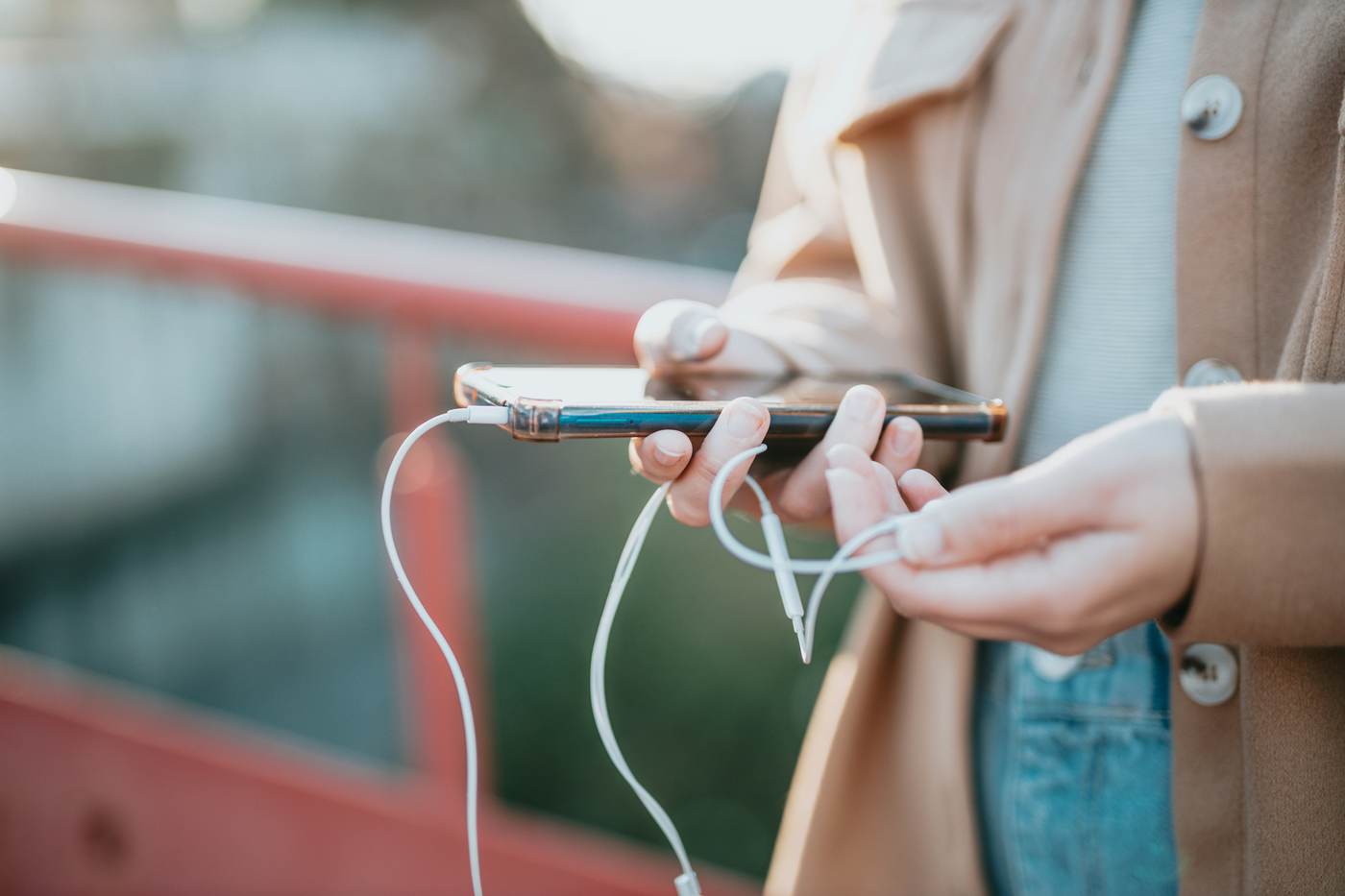
Why We Reach for Our Phones When Nothing Is Wrong
The reach usually isn't about boredom, anxiety or willpower. It's about what happens in the half-second when nothing is happening.
9 min read
The Disappearance of Boredom
8 min read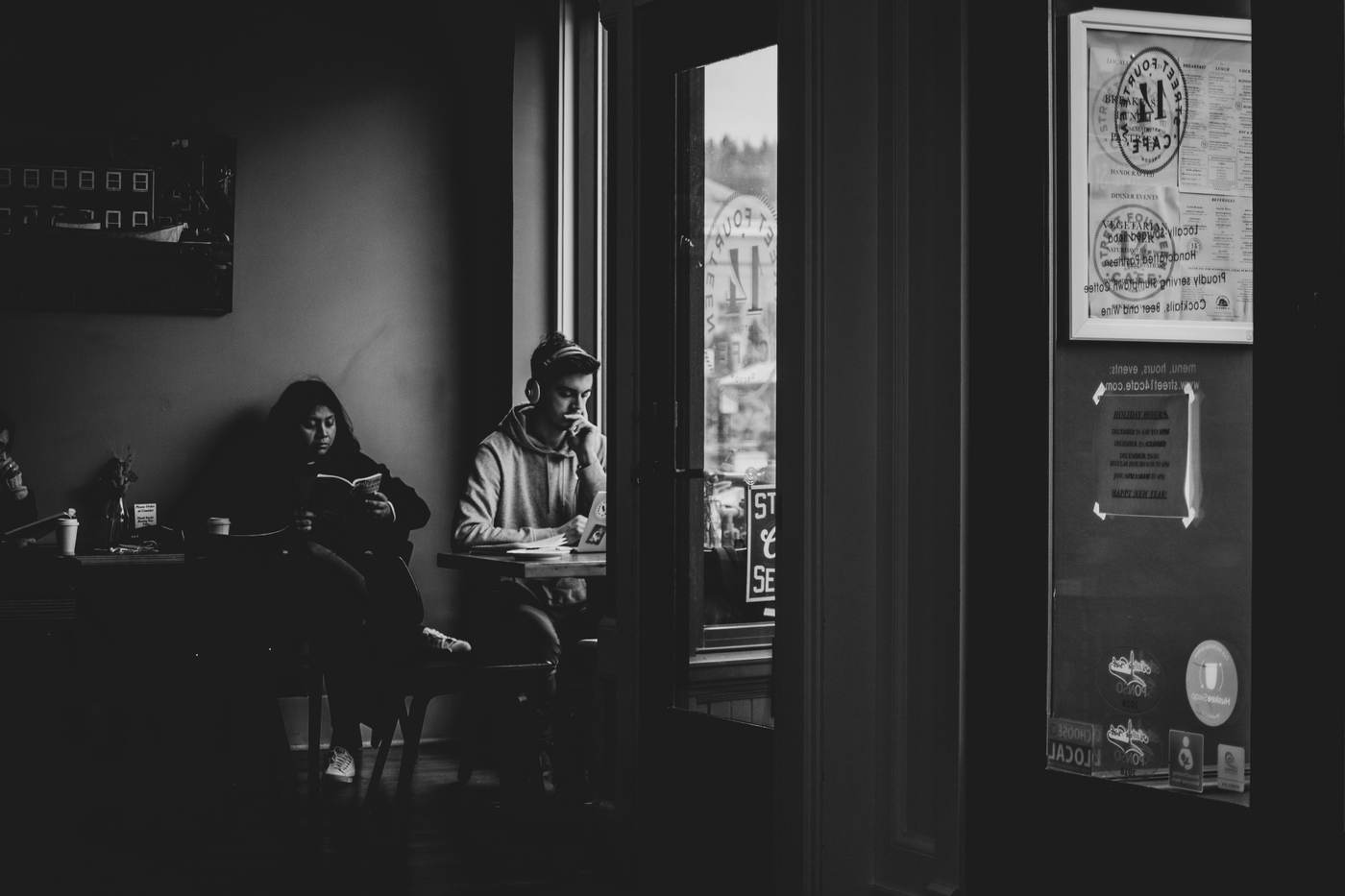
Connected All Day. Lonely Anyway.
10 min read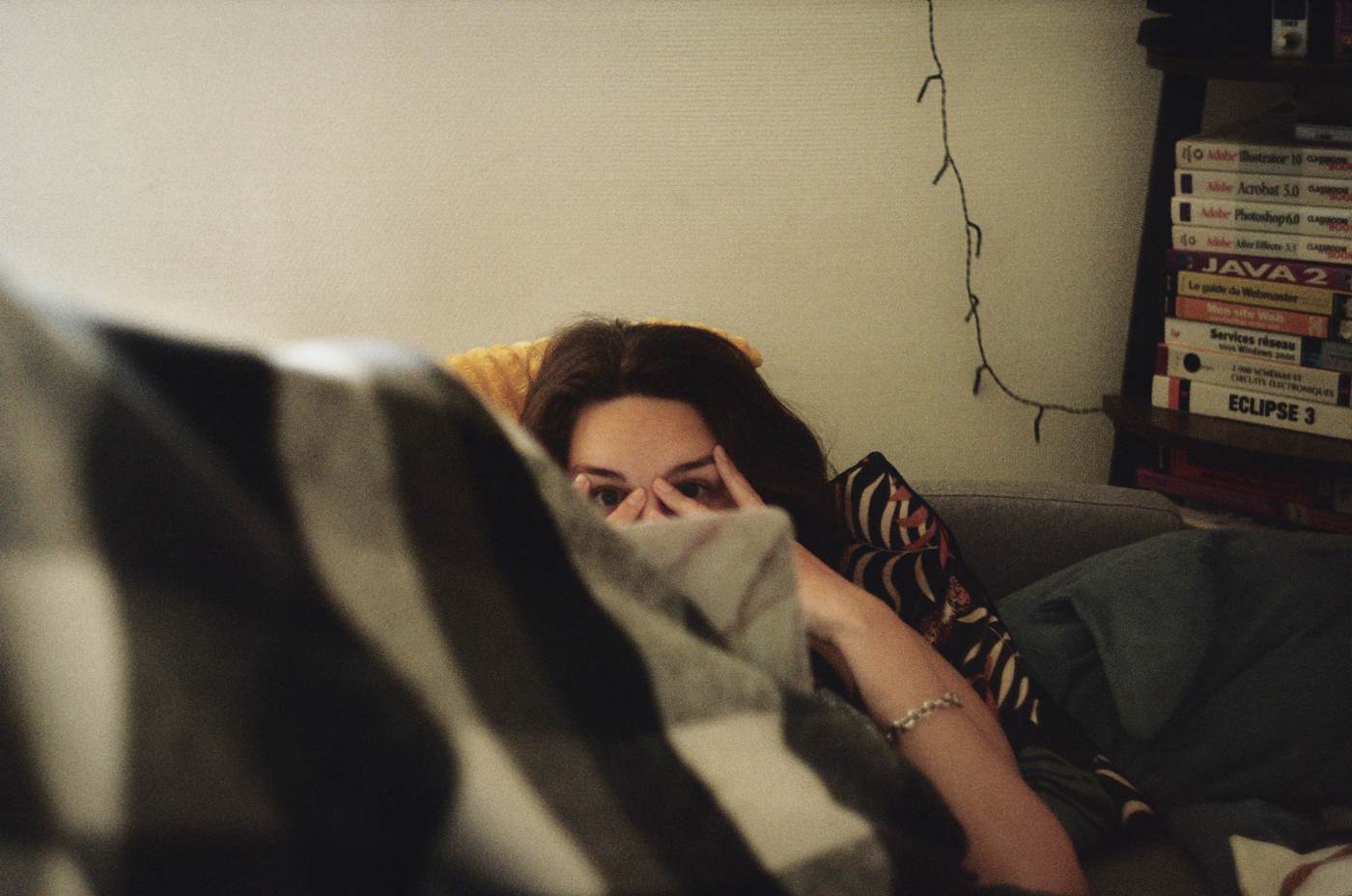
The Comparison Trap Has an Algorithm Now
9 min read
Your Brain Wasn't Built for Infinite Scroll
8 min read
What Constant Notifications Do to Attention
7 min read
Are We Losing Our Ability to Be Alone?
8 min readWhat the evidence is telling us.
- Attention Research
Interruptions cost more in resumption than in duration
Work on task-switching and attention residue suggests the expensive part of an interruption is reconstructing context, not the interruption itself.
Experimental - Social Media
How you use a platform predicts more than how long
Directed, reciprocal interaction tends to be associated with better wellbeing outcomes than passive consumption of others' content.
Mixed evidence - Kids + Teens
Total screen time is a weak predictor of teen wellbeing
Large dataset analyses find associations that are real but very small — comparable in size to factors like wearing glasses or eating potatoes.
Correlational

Living
well in a
digital world
Psychology × Technology × Real life
Courses for living more intentionally with technology.
Start with the foundational course — six sessions, one for each pillar. 6 sessions · approx. 3 hours.
- 01Attention
- 02Connection
- 03Identity
- 04Digital Life
- 05Presence
- 06Real Life
One path through it, in your own order.
- 01The pillars
Understand
Six pillars of modern human life.
- 02The assessment
Assess
A fuller picture, once.
- 03The check-in
Check in
What's taking up space today.
- 04The tools
Try
Tools and small experiments.
- 05The Journal
Read
Journal essays and the evidence behind them.
- 06The courses
Go deeper
Courses that connect it all.
- 07My Modern Human
Keep what helps
Save it to your own space.
Things worth bringing into real life.
A considered edit of books, tools + everyday objects that support attention, connection, creativity, rest and life beyond the screen.
View the full Edit →“These are the things I’d choose because they help create more room for attention, creativity, connection + actual life — not because everyone needs another product.”
Affiliate links — The Modern Human may earn a small commission from qualifying purchases, at no additional cost to you. Nothing appears here for that reason alone.
Explore quotes →“Almost everything will work again if you unplug it for a few minutes, including you.”