JournalPresence
The Disappearance of Boredom
Boredom used to be a normal, uncomfortable pause between things. It has quietly become an emergency that gets solved in under three seconds.

Sian Trombley
4 MAY 2026 · 5 MIN READ

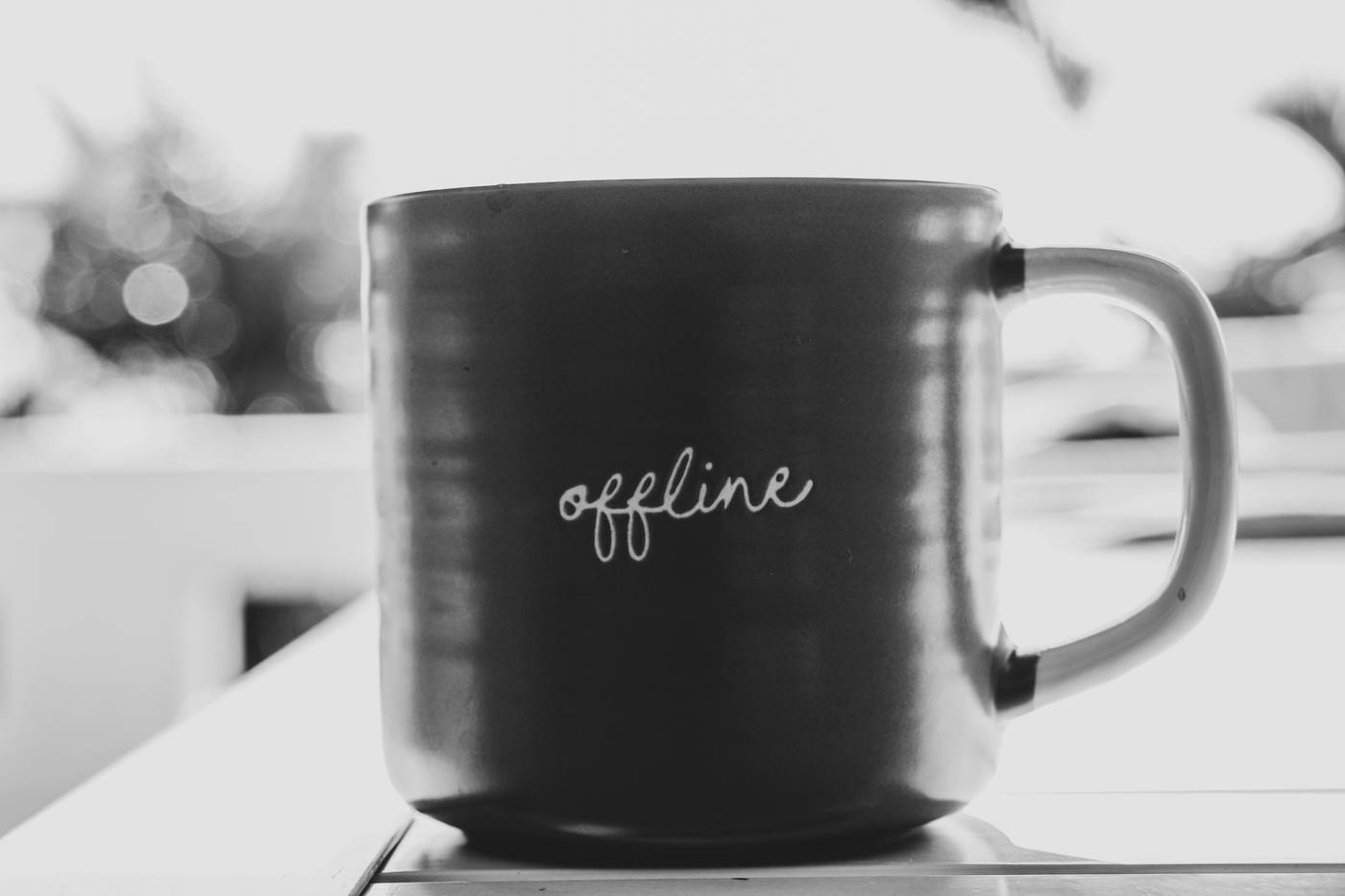
There used to be a particular feeling that arrived reliably several times a day: the kettle taking too long, the bus running late, the meeting that hadn't quite started. A small, flat, slightly itchy sensation with nowhere to go. Most of us haven't felt it properly in years.
That is not an accident of willpower. It is the predictable result of removing every gap where boredom used to live and filling it with something that responds instantly. The disappearance of boredom is not really about phones being distracting. It is about an entire category of human experience quietly going extinct, and almost nobody noticing it was gone.
Boredom was never the goal. It was the doorway to something else.
What boredom actually was
Psychologists who study boredom describe it as an uncomfortable state that arises when we're not engaged by our current situation but also can't easily leave it. It is aversive by design — that's the point. Boredom is a signal, not unlike hunger or a stiff back. It tells you that whatever your attention is doing right now isn't satisfying, and it pushes you to change something: your environment, your task, or the way you're thinking.
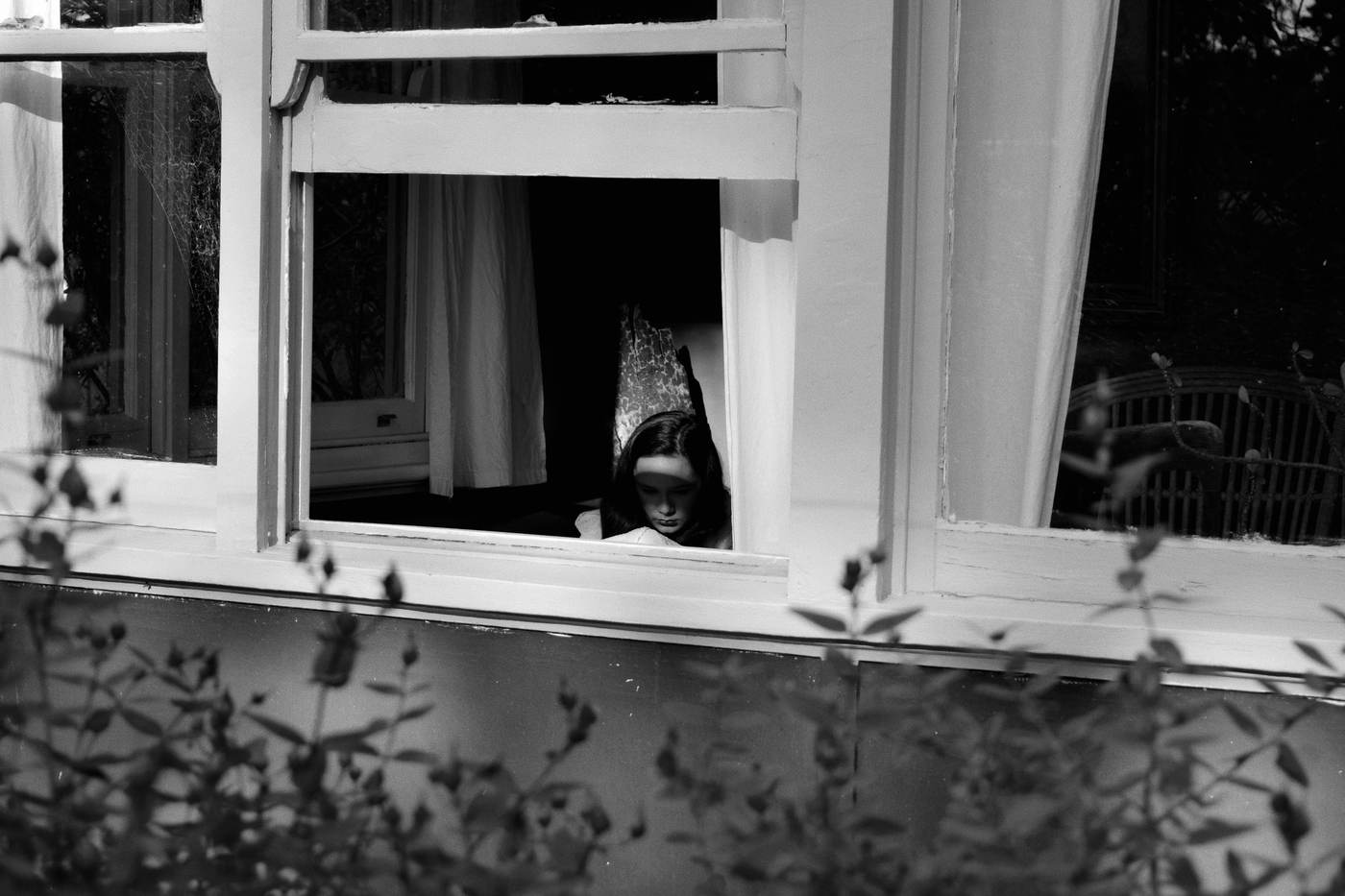
Historically, people responded to that signal in a scattered, unglamorous way. They stared out of windows. They doodled on receipts. They rearranged the coins in their pocket. They thought about a problem sideways instead of head-on. None of this looked productive, and much of the time it wasn't. But some of it was, in a way that's easy to miss from the outside.
The mind-wandering connection
When attention isn't pinned down by an external task, the brain doesn't switch off — it switches mode. This is sometimes called mind-wandering, and it recruits what researchers refer to as the default mode network: a set of brain regions that becomes more active during rest than during focused tasks. Mind-wandering is associated with autobiographical memory, future planning, and a loose, associative kind of thinking that differs from the narrow, goal-directed thinking most tasks demand.
It is tempting to leap from here to a tidy claim: boredom causes creativity, so losing boredom means losing creativity. That claim is more popular than it is proven. The evidence connecting boredom directly to creative output is genuinely mixed — some small studies find that a period of boring activity increases subsequent divergent thinking (the classic "how many uses can you think of for a paper clip" tests), others find weak or inconsistent effects, and the studies tend to use short lab-induced boredom rather than the chronic, low-grade boredom of everyday life. It would be dishonest to tell you that science has proven boredom makes you a more creative person. What's more defensible is a narrower claim: unstructured, low-stimulation time reliably produces more mind-wandering, and mind-wandering is where a meaningful share of memory consolidation, future planning, and problem incubation appears to happen.
What changed
The technical change is simple: almost every previously boring moment now has a fast, engaging alternative on hand, and that alternative gets better at holding attention every year. The psychological change is subtler. Because relief is always available, the discomfort of boredom no longer has time to build to the point where it pushes you into something new. You reach for the phone at the first flicker of restlessness, well before boredom has had a chance to do whatever it was going to do.
This isn't only about willpower failing. Apps and feeds are built by teams whose job is to make the gap between "I feel a flicker of understimulation" and "I am now absorbed in content" as short as possible. That gap used to be the entire territory where boredom operated. It has been engineered down to almost nothing.
What this does not mean
This is not a case for romanticising discomfort or suggesting you should force yourself to sit through excruciating boredom as some kind of virtue. Chronic, high-intensity boredom — the kind experienced in genuinely under-stimulating environments over long periods — is linked to worse outcomes, not better ones, including higher risk-taking and lower wellbeing. The interesting territory isn't maximum boredom; it's the ordinary, low-level, thirty-seconds-to-ten-minutes kind that used to punctuate daily life and rarely does anymore.
In real life
Notice where your own boredom gaps used to be: queueing, waiting rooms, the walk to the car, the ad break, the bit before you fall asleep, the pause after finishing one task and before starting the next. For most people these are now reflexively filled, often without a decision being made at all. The phone is out before the thought "I'm bored" has fully formed.
None of this requires an all-or-nothing response. The aim isn't to abolish stimulation from your day; it's to leave a few of those gaps unfilled on purpose, often enough that your mind remembers what to do with them.
Try this.
- Pick one predictable daily gap — the kettle, the lift, the walk to the bus stop — and leave it phone-free for a week, on purpose rather than as a rule for life.
- When restlessness shows up, wait fifteen seconds before doing anything about it. Notice what your mind does in that gap.
- Keep something low-stimulation and slightly boring within reach — a physical book, a notebook, nothing — as the default alternative to a screen.
What to notice
Pay attention to the specific feeling right before you unlock your phone in an unfilled moment. Is it curiosity about something specific, or is it the flicker of restlessness itself, reaching automatically for the nearest exit? The second pattern is worth interrupting occasionally, not because boredom is good for you in some abstract sense, but because it's the only door that leads to unplanned thought, and unplanned thought is where a surprising amount of your best thinking has always come from.
What the evidence says
Mind-wandering reliably increases during low-stimulation, unstructured time and engages the brain's default mode network, which is tied to memory and future planning. The link between boredom and creative output specifically is real in some studies but inconsistent across others — treat it as plausible, not proven.
10 minutes a day, one week
A thought to keep.
Boredom was never pleasant, and nobody is nostalgic for the feeling itself. What's worth missing is what used to happen next: the drift, the idle association, the half-formed idea that showed up because nothing else was competing for the space. That space still exists. It's just rarely empty anymore.