JournalPresence
Can We Still Be Alone With Our Thoughts?
A well-known study once gave people the choice between sitting quietly with their thoughts or giving themselves a mild electric shock. A surprising number chose the shock.
Sian Trombley
18 MAY 2026 · 4 MIN READ
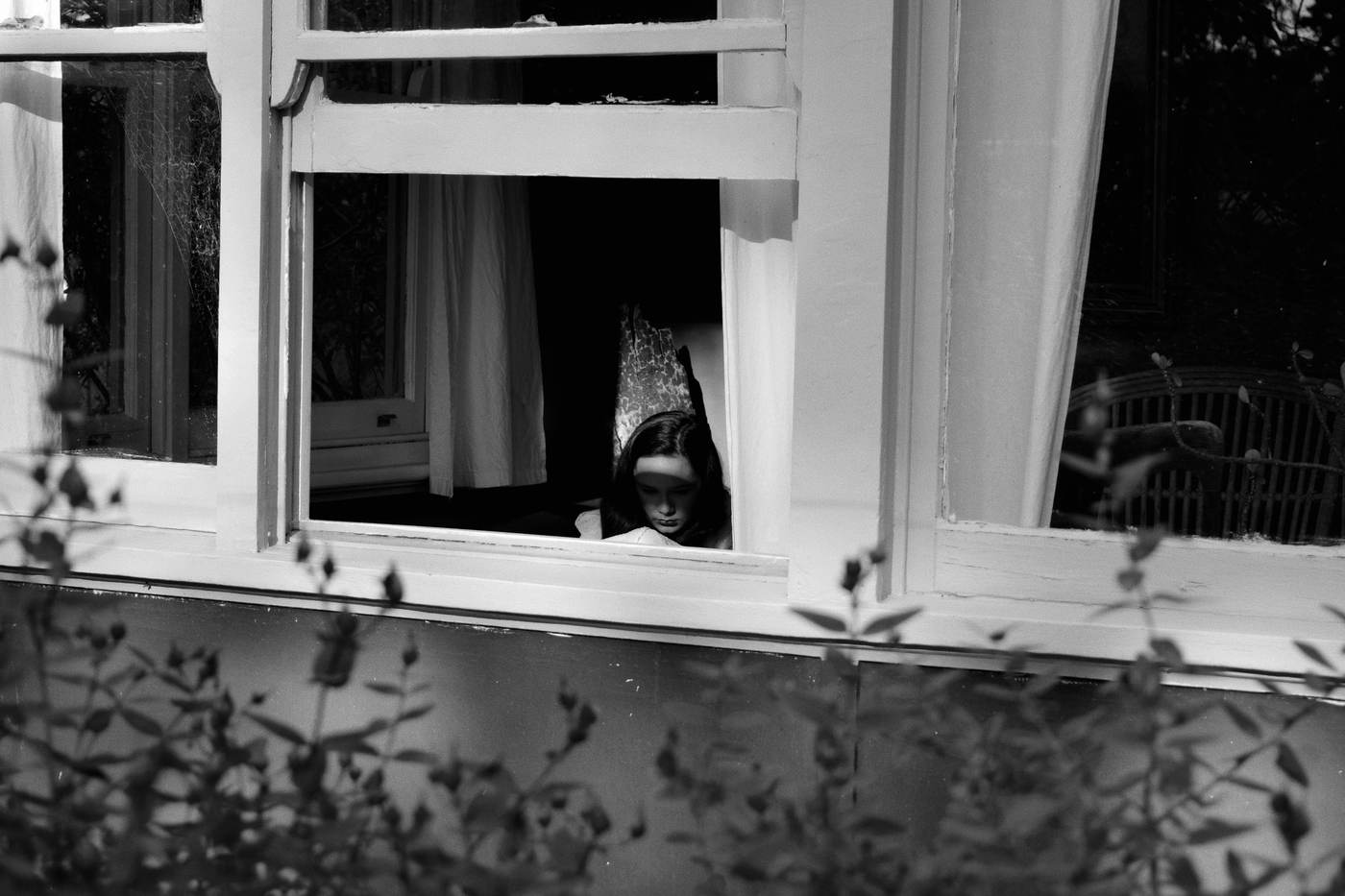
In a study led by Timothy Wilson and colleagues, participants were left alone in a bare room for a short period with nothing to do but think — no phone, no book, nothing. Before the session, many of the same participants had been given the option to instead give themselves a mild electric shock if the silence became too much. A striking number of them, especially men, chose the shock at least once rather than sit with their own thoughts. The study wasn't about phones at all — this was published in 2014, before smartphones had saturated daily life the way they have now — but it landed on something that still explains a great deal about the present: many people find their own unoccupied mind more uncomfortable than they expect, and will do almost anything to avoid it.
It's worth being precise about what that study did and didn't show. It didn't measure whether people are worse at solitude today than a generation ago — there's no clean comparison like that. It showed that, for a meaningful number of people in a controlled setting, an unstructured, unstimulated mind is aversive enough to prefer physical discomfort instead. That's a claim about the difficulty of solitude in general, not proof of decline. But it's a useful anchor for a conversation that easily slides into nostalgia and moral panic instead of staying with the actual psychology.
The question was never whether we're alone enough. It's whether we can tolerate the moments when we are.
Solitude is not the same as isolation
It helps to separate two things that get bundled together in casual conversation about being "alone." Isolation is the absence of social contact, and it's reliably associated with worse outcomes — loneliness researchers consistently find that chronic isolation predicts poorer mental and physical health. Solitude is different: it's chosen, temporary time without external input, and it has a long history of being described as restorative rather than harmful, provided it isn't forced or prolonged into isolation.
The psychologist and researcher on solitude, drawing on decades of work distinct from the loneliness literature, points out that people who are comfortable with solitude tend to use it deliberately — for reflection, creative work, or simply recovering from the effortful business of being around other people. The capacity to be alone without discomfort has long been considered, in developmental psychology going back to Donald Winnicott, a marker of psychological maturity rather than a deficit. Winnicott's phrase for it was the capacity to be alone — the ability to be by yourself without needing anyone or anything to fill the space, built originally in early life by being alone in the presence of a trusted caregiver.
What technology changes here
What's shifted isn't how much time people spend physically by themselves — plenty of people are alone for hours a day. What's shifted is how rarely that time is unoccupied. A commute alone used to mean a window, a view, your own thoughts. Now it usually means a screen. The physical solitude is intact; the mental solitude — the part that actually does the restorative work — has been quietly filled in.
This matters because the discomfort Wilson's participants felt wasn't really about being alone. It was about the specific experience of an unoccupied mind: no task, no input, no destination for attention. That experience has become rare enough that many people are genuinely out of practice with it, in the way you'd be out of practice with any skill you stopped using regularly.
Why the discomfort exists
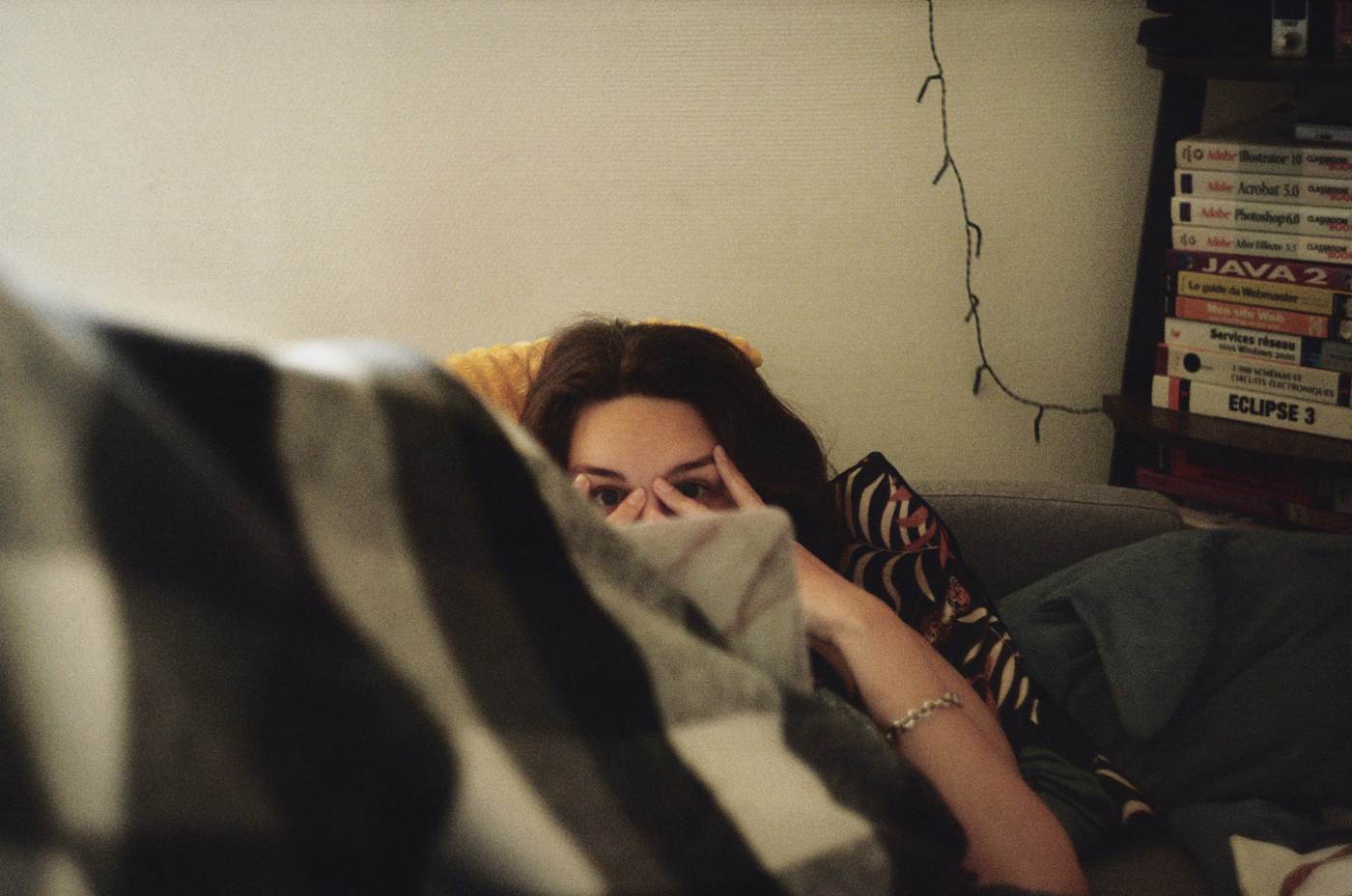
An unoccupied mind doesn't stay blank. It tends to drift toward whatever's unresolved — a conversation replayed, a worry about tomorrow, a low mood that was easy to outrun while busy. This is one of the more honest explanations for why people reach for a screen the second stillness sets in: it isn't always boredom, it's sometimes a mild aversion to whatever the mind would otherwise land on. Roy Baumeister's work on self-regulation is relevant here — sitting with an unoccupied mind and choosing not to distract yourself is itself a small act of self-regulation, and self-regulation is a limited resource that gets easier with practice and harder after a long day.
What this does not mean
None of this is an argument that solitude is always good or that you should be seeking it out constantly. Too much unstructured aloneness, particularly when it's not chosen, tips into the isolation side of the ledger and correlates with worse outcomes, not better ones. The claim here is narrower and more useful: brief, chosen, unoccupied solitude is a specific experience worth being able to tolerate, and most adults today get very little practice at it, not because they lack the time alone but because the time is rarely left unoccupied.
In real life
Consider the last time you sat somewhere — a waiting room, a park bench, the end of a train platform — with genuinely nothing to do and didn't reach for your phone. For a lot of people that's difficult to recall precisely because it so rarely happens; the moment gets filled automatically, the way a hand tidies a table without a decision being made.
Try this.
- Choose one solitary stretch this week — a walk, a wait, a coffee alone — and leave it deliberately unoccupied rather than filled.
- If discomfort shows up, treat it as data rather than a problem: what is your mind drifting toward when nothing else is competing for it?
- Start small. Two or three unoccupied minutes is enough to notice the pattern without it becoming an ordeal.
10 seconds
Before You Scroll Prompt
One question, asked at the moment of opening. Interrupts autopilot.
Open the tool →A thought to keep.
The people in Wilson's study weren't unusual. They were ordinary adults finding an ordinary thing — an empty mind, briefly, on purpose — harder than they expected. That difficulty hasn't gone away; it's just rarely tested anymore, because there's almost always something else to do instead.