JournalConnection
Connected All Day. Lonely Anyway.
You've messaged a dozen people since breakfast. So why does the evening still feel hollow? The answer has less to do with contact and more to do with closeness.

Sian Trombley
4 MAY 2026 · 5 MIN READ

Check the phone. Thirty-one unread messages across four group chats, two DMs, a comment someone left on a photo from a wedding two years ago. By any reasonable measure, today involved a huge amount of social contact. And yet by nine in the evening, something feels off — not dramatically, just a quiet flatness, a sense of having been around people all day without actually being with anyone.
This is one of the stranger features of modern life: it is entirely possible to be in near-constant contact and still feel lonely. Not despite the contact, sometimes because of its particular shape.
You can be in touch with fifty people and unknown to all of them.
Contact is not the same as closeness
Loneliness researchers make a useful distinction between the amount of social contact a person has and the quality of connection they experience. You can have both, either, or neither. Someone with a small circle of people who really know them can feel entirely un-lonely. Someone with hundreds of digital contacts and a phone that never stops buzzing can feel deeply alone. The number of interactions per day turns out to be a poor predictor of how connected someone actually feels.
What predicts it better is something closer to being known: does at least one other person have an accurate, current picture of what is actually happening in your life? Do you feel able to be unimpressive in front of them? Have you had a conversation recently that went somewhere unplanned, rather than following the shape of a status update?
Digital contact is very good at the first kind of thing — frequency, reach, low-effort presence — and much worse at the second. A reaction emoji tells someone you saw their post. It does not tell them you thought about what they said.
Passive scrolling versus directed reaching-out
Here the research is genuinely more interesting — and more mixed — than the popular narrative suggests. A useful line of work distinguishes passive social media use (scrolling other people's feeds without interacting) from active use (messaging, commenting, initiating). Passive use is more consistently linked with lower mood and a rise in comparison; active use, particularly one-to-one messaging aimed at a specific person, is linked with feeling more connected, not less.
This matters because "time on phone" is not one behaviour. Forty minutes spent watching strangers' lives scroll past is a different activity, psychologically, from twenty minutes spent messaging a friend about something specific to both of you — even though both would show up identically in a screen-time report.
What the evidence says
Research on loneliness and digital contact (drawing on work reviewing passive versus active social media use) generally finds that active, targeted interaction with people you already have a relationship with tends to support wellbeing, while passive consumption of a broad feed tends not to. The effect sizes are moderate, and individual variation is large — some people genuinely do feel closer through broadcast platforms. The honest summary is: how you use it matters more than how much.
Why this happens
Part of the explanation is about specificity. A message addressed to you, referencing something only you would understand, activates a different sense of being seen than a post addressed to everyone and no one. Humans seem to register directed attention differently from ambient attention — an old finding from social psychology (the sense of being individually noticed versus one of a crowd) that maps neatly onto the difference between a text and a public feed.
Another part is reciprocity. Closeness tends to build through disclosure that gets responded to — you say something a little vulnerable, the other person responds in kind, trust deepens slightly, repeat. Broadcast platforms are structurally poor at this loop. You post, strangers and acquaintances react, but the reaction rarely closes the loop the way a real reply does. Robin Dunbar's work on social group sizes is relevant here too: humans seem built to maintain a small number of genuinely close relationships (something in the range of five very close people) and a wider outer circle of looser ties. Digital platforms are extraordinarily good at maintaining the outer circle and comparatively bad at deepening the inner one, because deepening usually needs sustained, private, reciprocal attention that a feed format doesn't reward.
What this does not mean
None of this is an argument that digital contact is fake or that online friendships don't count. For people who are geographically isolated, who have disabilities that make in-person socialising harder, or who have found communities online that don't exist locally (a shared rare interest, a shared identity), digital connection can be the realest connection available and genuinely protective against loneliness. The point is not online-versus-offline. It's passive-versus-directed, and broad-versus-specific.
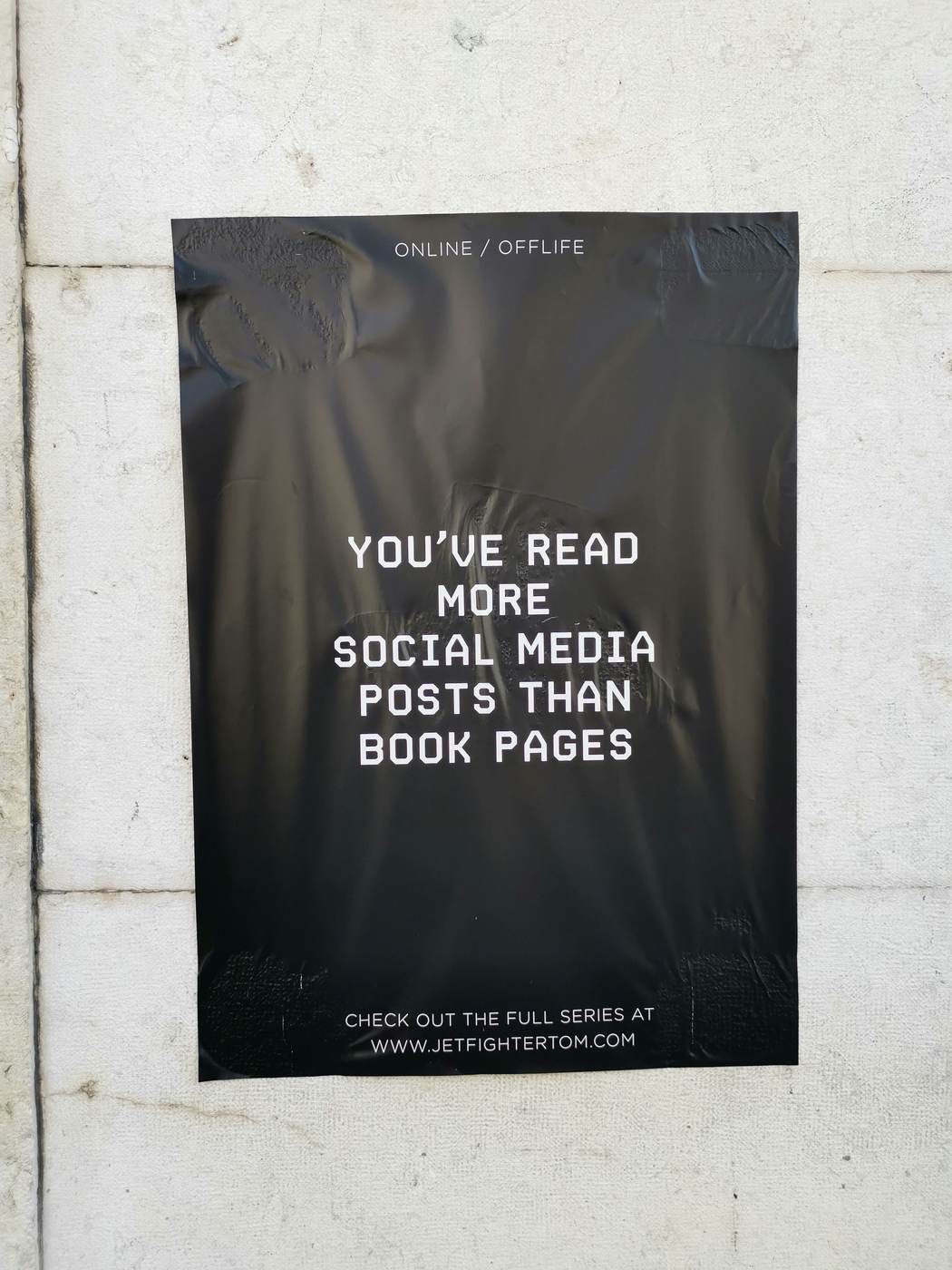
In real life
Think about the last time you felt genuinely closer to someone after a digital interaction. It probably wasn't a like. It was more likely a voice note that made you laugh, a message that asked a real question and got a real answer, a video call where nothing important was discussed but you both stayed on longer than you needed to. Now think about the last hour spent scrolling a feed of people you don't message directly. Did it leave you feeling closer to any one of them, or just aware of them?
This isn't about guilt. Scrolling has its place — it's often relaxation, or curiosity, or genuine interest in people's lives, and there's nothing wrong with it as one ingredient among others. The trouble starts when it becomes the main ingredient — when the bulk of "connection time" in a day is spent consuming rather than reaching.
Try this.
- Pick one person you'd like to feel closer to and send them something specific — a question about something only they'd know the answer to, not a general "how are you".
- Notice, for one day, how much of your phone-based social time is directed at a specific person versus aimed at a general feed. No need to change the ratio yet — just notice it.
- If a scrolling session leaves you feeling flatter rather than fuller, that's useful information, not a moral failing.
What to notice
The feeling to watch for isn't "I didn't message enough people today." It's the specific flatness of having been socially busy without being socially met. That flatness is a reasonably reliable signal that the day's contact was heavy on broadcast and light on exchange — and it's fixable, because exchange doesn't require much: one honest message to one real person tends to do more for the feeling of connection than an hour of scrolling ever will.
10 minutes
Connection Check-In
A weekly review of who you were actually in touch with — properly.
Open the tool →A thought to keep.
Being in touch with everyone is not the same as being known by someone. The phone can do the first brilliantly. The second still needs a message that only one person could have received.