JournalIdentity
Why Likes Can Matter Even When We Say They Don't
Almost everyone insists they don't care about likes. Almost everyone checks anyway. Both things can be true, and the psychology explains why.

Sian Trombley
24 JUNE 2026 · 4 MIN READ
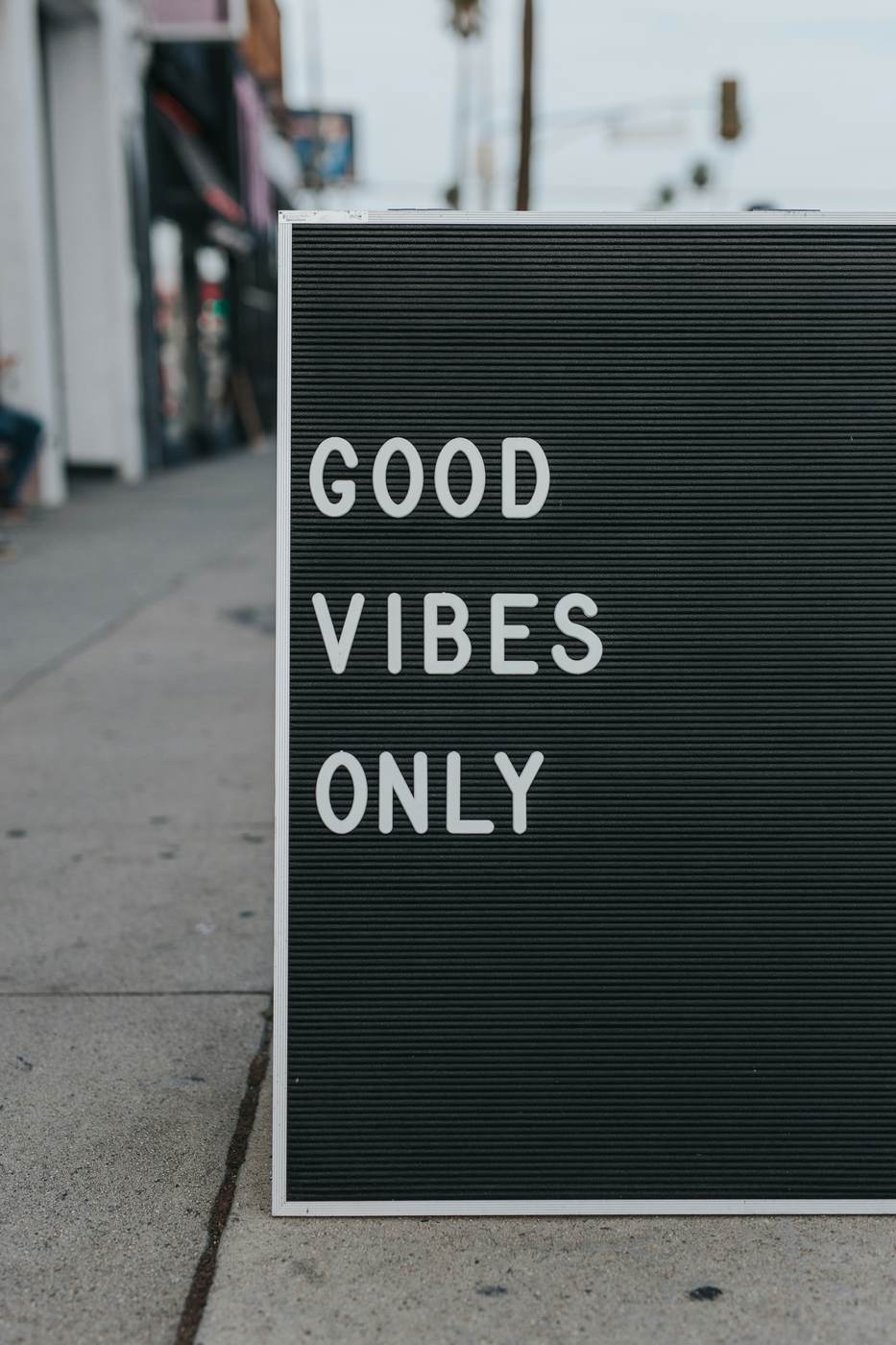
"I don't really care about likes" is one of the most commonly stated and least reliably true things people say about their own behaviour online. Ask someone this directly and most will say it sincerely, meaning it. Then watch the same person post something and check back on it four times in the next hour. Both the statement and the checking are honest — they're just answering different questions.
If likes arrived in a completely predictable amount every time, they would lose most of their pull within days. It's the not-knowing that keeps people checking.
Why the number pulls at you even when you don't respect it
The conscious, considered part of a person's mind can genuinely believe that a like count is a shallow, low-stakes number that says little about their worth. Meanwhile, a much older and less negotiable part of the mind treats social feedback as information about standing within a group — because for most of human history, that's exactly what it was. Being noticed, approved of, and included by others was not a vanity metric; it was closely tied to survival and belonging. That circuitry didn't get an update when platforms arrived. It just found a new signal to read.
This is why the two things — "I know this number is meaningless" and "I keep checking it" — don't actually contradict each other. One is a belief. The other is a reflex running on infrastructure that predates the belief by a very long time.
The reinforcement schedule underneath
The psychologist B.F. Skinner's classic work on operant conditioning found that rewards delivered on a variable, unpredictable schedule produce more persistent, harder-to-extinguish behaviour than rewards delivered predictably. A slot machine works on exactly this principle, and so, structurally, does a like count: you don't know in advance how many you'll get, or when, or which post will do unexpectedly well. That unpredictability is precisely what keeps people checking — not because the reward is guaranteed, but because it isn't.
What's actually being measured, psychologically
Underneath the specific mechanics, what a like count often functions as is a rough, real-time proxy for social value — a number that seems to answer the question "did that land? Was that okay? Am I okay?" This is where it starts to matter more for some people than others. For someone whose sense of self-worth is fairly stable and doesn't depend heavily on external validation, a quiet post is a non-event. For someone whose self-worth is more contingent — more dependent on being seen positively by others, a pattern researchers sometimes describe as contingent self-esteem — a quiet post can genuinely sting, and a well-performing one can produce a real, if brief, lift.
What the evidence says
Research on social feedback and self-esteem generally supports the idea that feedback effects are strongest for people with more contingent, externally anchored self-worth, and weaker for people whose self-worth is more internally anchored. This is consistent with older self-esteem research well before social media existed — the platforms didn't invent this vulnerability, they gave it a very fast, very frequent new place to play out.
What this does not mean
It doesn't mean caring about likes at all is a psychological problem, or that everyone who enjoys positive feedback has fragile self-worth. Enjoying being appreciated is normal and healthy. The distinction worth drawing is between noticing feedback and enjoying it versus needing it to feel okay about yourself — the first is just being human, the second is where it's worth paying closer attention.
In real life
The clearest sign that feedback has moved from "nice" to "necessary" is usually mood volatility that tracks post performance too closely — a post doing well produces a disproportionate lift, and a quiet one produces a disproportionate dip, especially compared to how you'd feel about, say, a text message going unanswered for a similar amount of time.

A framework for recalibrating, over a few weeks
This isn't a quick fix, because contingent self-worth doesn't reset in a day — but a structured few weeks of noticing can shift the pattern meaningfully.
- Week one — notice without changing anything. Each time you check a post's performance, just note the time and how you feel a minute later. No judgement, just data.
- Week two — separate the post from the check. Try posting something and deliberately not checking it for a set period — an hour, then a full afternoon. Notice the urge without acting on it.
- Week three — build an internal comparison point. Before checking a post, write down (mentally or literally) how you felt about it before anyone responded. Compare that to how you feel afterwards — the gap is the part worth being curious about.
- Week four — find a non-metric source of the same feeling. Notice something you made, did, or said today that you're proud of, entirely independent of how it was received. This is the muscle that reduces the number's leverage over time.
Try this.
- Turn off like counts on your own posts in the platforms that allow it, even for a week, and notice what changes.
- When you feel the check-urge, delay it by five minutes rather than resisting it entirely — the urge often passes before the five minutes are up.
10 minutes
Social Media Check-In
Sort your feed by how it leaves you, not by how much you use it.
Open the tool →A thought to keep.
Wanting to be liked isn't a flaw to fix — it's a deeply old, deeply human thing that long predates any interface. The goal isn't to stop caring what people think. It's to make sure the caring stays in proportion to what a small number on a screen can actually tell you, which is less than it feels like in the moment.