JournalAttention
Why Switching Between Apps Feels Productive — Even When It Isn't
Flicking between a document, an inbox, and three tabs can feel like momentum. The feeling and the output are measuring two different things.

Sian Trombley
22 MAY 2026 · 4 MIN READ
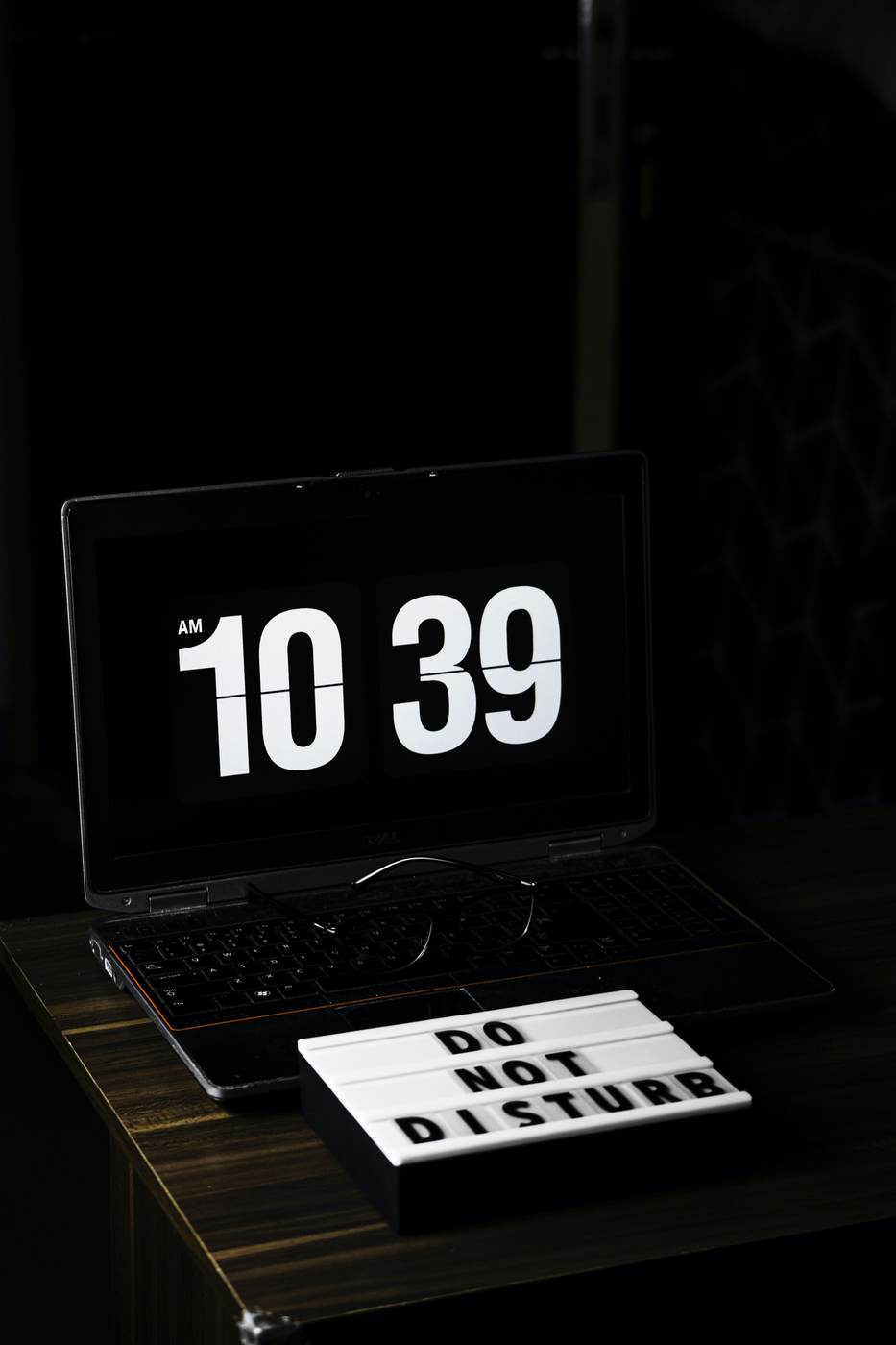
By four in the afternoon you've had thirty tabs open, replied to a dozen messages, drafted half a document, skimmed a report, and checked a spreadsheet twice. It felt, in the moment, like a genuinely busy and productive day. Then you try to describe what you actually finished, and the honest answer is: not much.
This gap — between how productive switching feels and how much it actually produces — is one of the more disorienting features of modern work, and it's worth taking seriously rather than treating as a personal failing.
Busy and effective are not the same sensation, and the brain is not well equipped to tell them apart.
Motion feels like progress
Human attention is bad at judging its own output in real time. What it's much better at noticing is activity: things happening, screens changing, inboxes emptying, notifications resolving. Each small switch delivers a tiny sense of completion — an email answered, a tab closed, a message sent — and those small completions accumulate into a feeling of momentum that has almost nothing to do with whether the actual, harder task moved forward.
Deep work — the kind that produces a finished report, a solved problem, a well-argued piece of writing — doesn't feel like this at all while it's happening. It often feels slow, effortful, and mildly uncomfortable, because you're holding a lot in mind at once without the frequent small rewards of switching. Paradoxically, the work that produces the least output can feel the most productive, and the work that produces the most can feel the least.
The real cost of switching
Each switch between tasks carries what researchers call a switching cost: a brief penalty in speed and accuracy while attention reconfigures itself for the new task's rules, goals, and context. On its own this cost is small — a few seconds, maybe less. Multiplied across dozens of switches a day, it adds up to a meaningful tax on the total amount of careful thinking available.
Worse, the cost isn't just time. It's depth. A task resumed after a switch is often resumed at a shallower level than it was left — you re-enter it at the surface and have to work your way back down, and if the next interruption comes before you get there, you never actually reach the level of thinking the task needed.

Why it still feels good
There's a reason this pattern persists even for people who know, intellectually, that it isn't serving them. Switching between small tasks offers a much higher rate of visible completion than one long task does. If you measure your day by how many things got a checkmark, a scattered day full of small resolved items will always look more productive than a focused day spent on one large unfinished thing — even when the focused day produced something far more valuable.
What the evidence says
Task-switching costs are one of the most consistently replicated findings in cognitive psychology, going back well before smartphones existed. What's newer is the environment: modern digital work is structured, by default, to maximise the number of switchable inputs available at any moment — inbox, chat, document, browser, all one click apart. This does not mean switching is always bad; short breaks and context changes can genuinely help with fatigue and creative thinking. The issue is switching driven by impulse and habit rather than by choice.
What this does not mean
None of this means multitasking is a moral failure, or that anyone who checks a message mid-task is doing something wrong. Some jobs genuinely require rapid attention-switching — many forms of frontline, coordination, or support work are built around it, and that's a different skill, not a lesser one. The concern here is narrower: work that requires sustained, single-threaded thought getting quietly replaced by work that only feels like it does.
In real life
Two colleagues can spend an identical eight hours at their desks. One ends the day having answered ninety messages across four platforms and started six different documents. The other spent three uninterrupted hours on one difficult section of a proposal, then handled messages in two batched windows. The first will often describe their day as more full. The second will usually have produced the thing that actually mattered.
Try this.
- Before a work session, name the one thing that would make the session worthwhile if nothing else got done.
- Close the tabs and apps that aren't related to that one thing — not permanently, just for this block.
- Notice the discomfort of not switching. It usually passes within a few minutes.
- At the end of the day, judge it by what got finished, not by how many things got touched.
A thought to keep
A full inbox at the end of the day is not the same thing as a full day. Worth checking, occasionally, which one you were actually chasing.
One day
My Attention Map
Chart where your attention actually goes, not where you assume it goes.
Open the tool →