JournalPresence
The First Ten Minutes of the Day
What you let into your attention before you've had coffee tends to set the emotional register for hours afterward. Most of us hand that decision to whichever app opens fastest.

Sian Trombley
20 JUNE 2026 · 3 MIN READ

The alarm goes off. Within seconds, before your eyes have properly adjusted to the light, the same hand that silenced it is opening a screen. Email, messages, a headline, a notification badge — whatever arrived overnight now arrives in your mind before almost anything else does, including, often, before you've spoken to anyone in your own house.
Nobody chose this deliberately. It's the path of least resistance: the phone is already the alarm clock, already in reach, already unlocked with a thumbprint. But the first few minutes of attention each day function differently from the rest, and handing them over by default is a bigger decision than it feels like in the moment.
The first input of the day doesn't just inform you. It decides what kind of day you're about to have.
Why mornings are different
On waking, the mind is unusually unstructured — you haven't yet decided what today is about, what matters, or what tone to take. Whatever gets in during that window tends to supply the answer by default. If the first input is a work email flagged urgent, the day organises itself around urgency before you've had any say in it. If it's a stream of other people's curated lives, comparison gets a head start before you've even stood up. This isn't mystical; it's closer to how priming works more generally — early input disproportionately shapes the frame you carry into what follows, partly because there's nothing yet competing with it for attention.
There's also a more mechanical cost. Gloria Mark's research on workplace interruption, done at UC Irvine, has repeatedly found that returning to a task after an interruption takes meaningful time to recover full focus — often cited around 23 minutes in her studies of knowledge workers. Opening email or a feed first thing doesn't just set a tone; it front-loads the day with exactly the kind of task-switching that produces attention residue, a term researcher Sophie Leroy uses for the way part of your attention stays stuck on the previous task even after you've moved on. You haven't even started your actual first task, and you're already carrying residue from six unrelated things.
What this does not mean
This isn't an argument that checking your phone in the morning is inherently harmful, or that there's a "correct" morning routine everyone should copy — the wellness-industry version of this idea, with its cold plunges and hour-long rituals, sets a bar most people's lives simply don't accommodate. Some people check messages first thing because they're genuinely needed early, or because a quick scan reduces anxiety more than it creates it. The point isn't that morning phone use is wrong. It's that it's usually unexamined — a default nobody actually chose — and defaults are worth occasionally checking on purpose.
What tends to work better
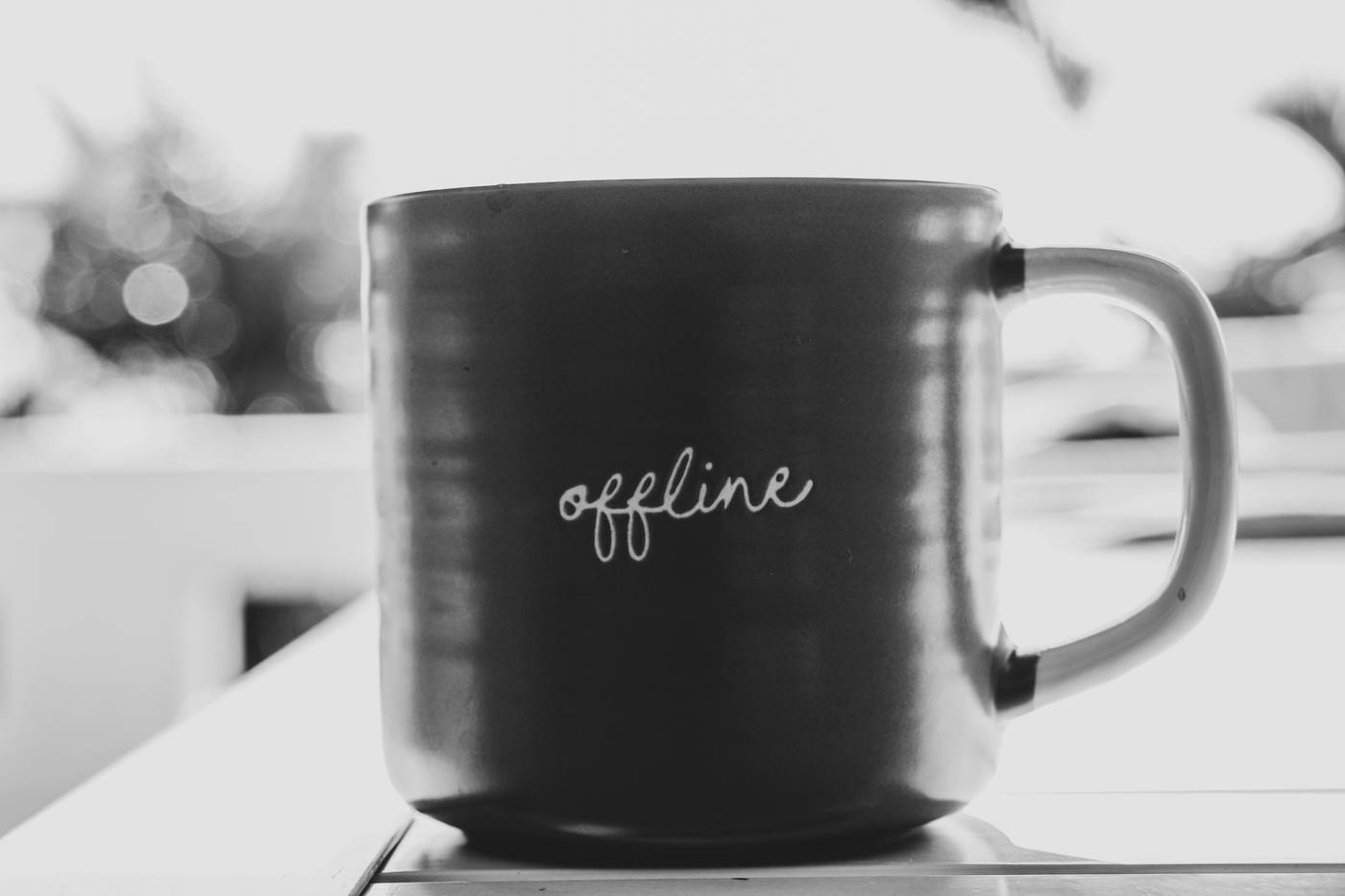
The useful shift isn't a dramatic new ritual; it's a small change in sequencing. Giving yourself even a few unhurried minutes before opening anything that demands a reaction — email, news, social feeds — means the day's first frame comes from you rather than from whatever arrived overnight from other people, algorithms, or your inbox.
In real life
This is easiest to see by comparing two versions of the same morning. In one, the first ten minutes are spent responding to whatever showed up overnight — an urgent-sounding email, a group chat that escalated while you slept, a notification that turns out to be nothing. By the time you're properly awake, you're already reactive. In the other version, the first ten minutes belong to something slower — making coffee, getting dressed, a few minutes outside — and the phone gets opened once that's done, on your terms rather than whoever emailed you at 6am.
Try this.
- Move your phone charger out of arm's reach of the bed — even a few metres changes whether checking it is a reflex or a decision.
- Pick one thing to do before opening any app tomorrow morning — making the bed, making coffee, stepping outside — and treat it as non-negotiable.
- If you check messages early out of genuine necessity, separate that from open-ended scrolling — answer what needs answering, then put the phone down rather than continuing to scroll.
Nightly, 5 minutes
Digital Evening Reset
A short sequence that ends the input day before the sleep day begins.
Open the tool →A thought to keep.
You don't get to choose everything that happens in a day, but you usually get to choose what happens first. That's a small amount of control. It's also, most mornings, more than people realise they're giving away.